English
 Serbian
 Russian
 Romanian
 Chinese



If you have decided to try something new this year – go on a winter holiday and stand on skis for the first time in your life – there are certain things you need to pay attention to. The same goes for those with more or less skiing experience. The first and most important priority in this sport is safety on skis!
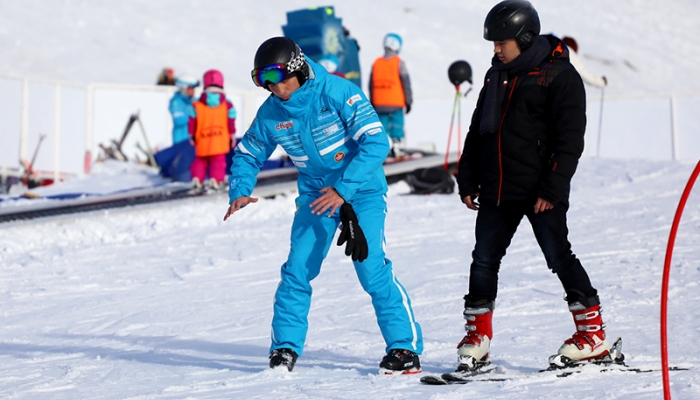
Just as when driving a car your safety and the safety of other road users comes first, there are some valuable guidelines for skiing too. The first and most basic step when you arrive in the mountains, if you have never skied before, is to find a qualified ski instructor. The instructor will teach you how to ski correctly and how to choose the right equipment, and will teach you everything you need to know about safety on skis.
For all of you with some skiing experience – whether you are an experienced skier or someone standing on skis for only the second time – who want to refresh your memory about this exciting sport, here is a reminder of what to pay special attention to when skiing:
- Choose your equipment wisely – when choosing skis, it is very important to pick the right ones for your height and weight. Never use a friend's or parent's skis if they don't suit you. How your bindings are set is also very important, and this too depends on your height, weight, age and skill level. If the bindings are set correctly, you are more likely to avoid leg and knee injuries if you fall.
- A helmet protects your head – you may see plenty of people on the slopes without a helmet, but don't follow their example. A helmet is a very important piece of equipment, if not the most important. However much fun skiing is, it can be extremely dangerous if you fall without a helmet. Besides a helmet, always wear ski goggles too, because they help a lot in poor visibility, when it is snowing or foggy.
- Ski goggles matter – this is one of the most important pieces of equipment. Ski goggles protect your eyes from wind, snow, sun and harmful UV rays, but also from so-called snow blindness, which can be extremely dangerous. There are several types of ski goggles, and the model you choose depends on your needs. The huge choice can be confusing, so keep in mind that, because of different light filters, there are lenses for sunny weather and lenses for overcast weather. For your safety, it is not advisable to wear sun lenses in overcast weather or low-light lenses on a sunny day. Light orange lenses are among the most comfortable for skiing in almost all conditions.
- Watch out for others on the slope – we have already mentioned driving and how important safety is on the road. In the same way, both your safety and that of other skiers matter when skiing, so following the rules is extremely important. The rules are simple: all you need to do is pay attention to other skiers and adjust your speed to the other people on the slope and to the current weather conditions. Pay special attention to the youngest skiers, because as an adult you carry a particular responsibility.
- Don't ignore the weather – always adjust your speed to the current weather conditions and possible hazards. If you don't have much skiing experience, it is best not to ski at all when the weather is bad, visibility is poor or there is a blizzard or storm. In such conditions in particular, avoid difficult and intermediate runs, i.e. black and red slopes.
- Ski without fear – easier said than done, perhaps, but the best advice anyone can give you is to relax. The sooner you relax and start skiing without fear, the sooner skiing will become an unforgettable (and safe) experience and something you look forward to day after day and season after season.
See also: Ski equipment rental, Guide for parents
Read also